
Welcome to
Lombard Ecological Services
Professional, data-driven ecological solutions for effective wildlife management, powered by integrated ecosystem analysis

Our approach to ecological management
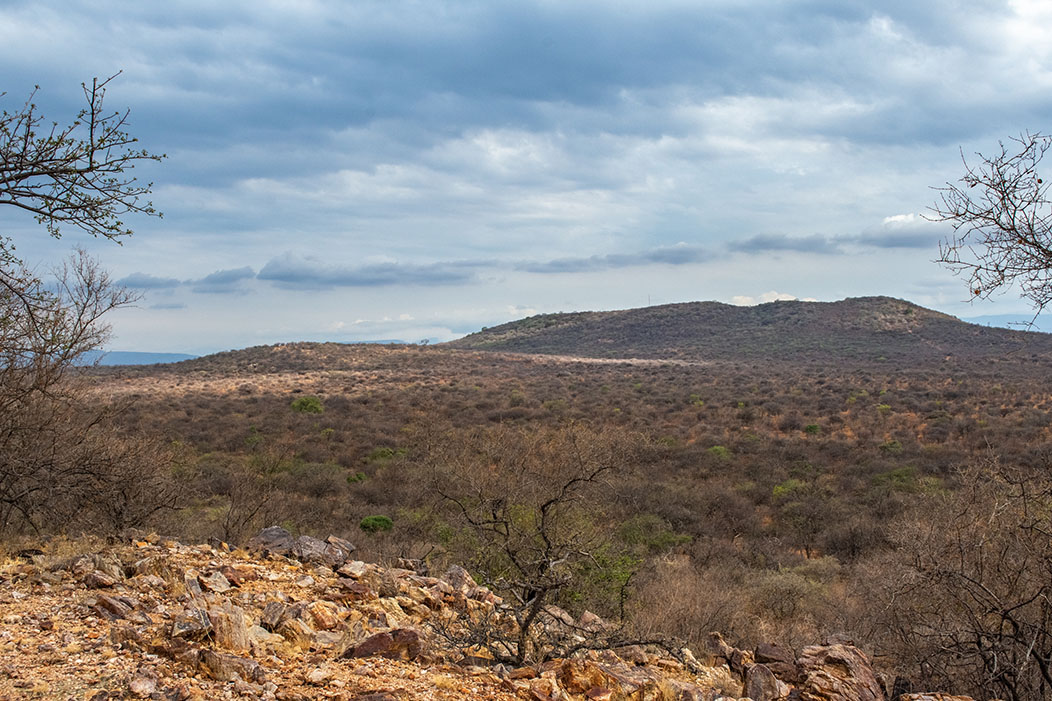
Southern Africa is exceptionally rich in natural resources with a remarkable diversity of landscapes and habitats. From the unique Fynbos of the Western Cape to the snow-capped peaks of Mount Kilimanjaro, this region supports a world-renowned abundance of species. This diversity is largely due to the heterogeneity of the landscape, which creates a multitude of ecological niches.
Historically, conservation efforts in Southern Africa focused primarily on large herbivores. With the great success of these initial efforts, wildlife increased, often confined within fenced-in reserves. Confining these species within protected areas highlighted the critical importance of maintaining and managing the habitats that sustain them. The health of wildlife populations is intrinsically linked to the condition of the habitat, and to understand habitat health, it is essential to examine the factors that shape it.
At the foundation of any terrestrial habitat is the geological structure, soil type and climate. Soil health determines the capacity of the land to support vegetation, which in turn prevents erosion and maintains ecosystem stability. One could argue that the ultimate indicator of rangeland or habitat health is the degree of soil loss. Adequate vegetation cover is necessary to protect soil, yet robust plant growth relies on nutrient-rich, stable soils. Climate in turn, coupled with soil, topography and plant cover, influences the amount of moisture available to plants.
The complex interaction of the aforementioned factors drives the distribution of diverse plant species, which naturally organize into distinct vegetation communities. These communities define the habitat types available to both vertebrate and invertebrate species. A resilient soil-vegetation dynamic ensures that habitats can effectively support healthy, sustainable wildlife populations.
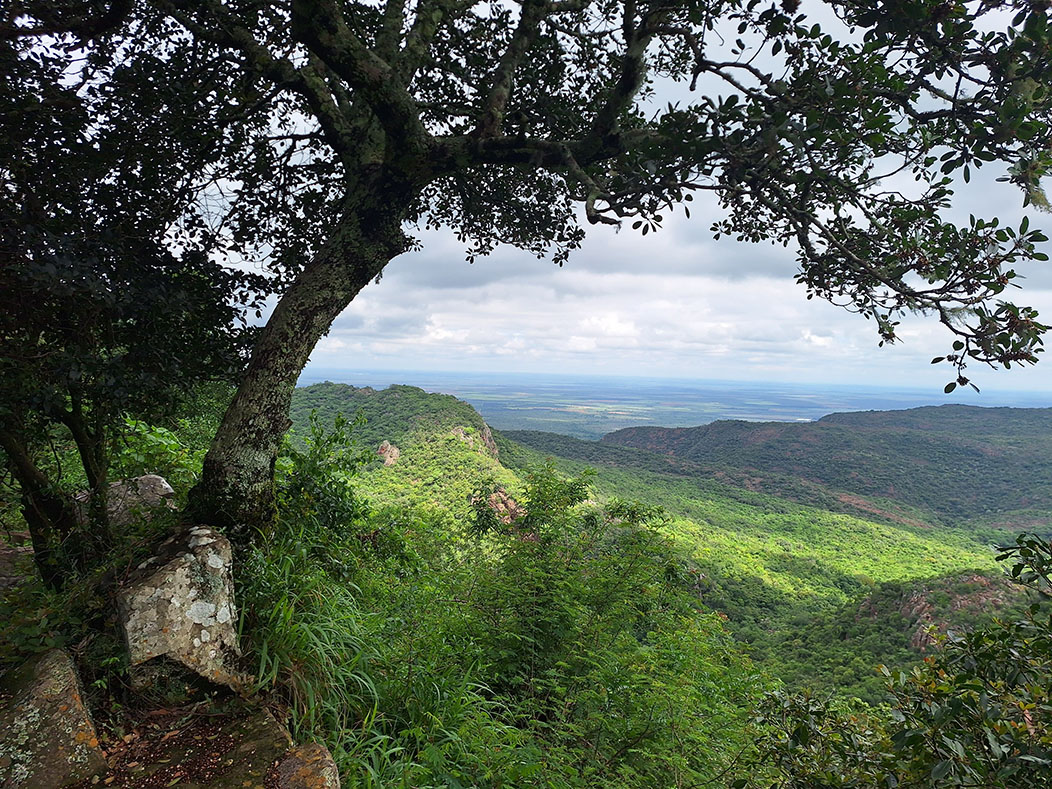
From this ecological perspective, the logical framework for managing a wildlife ranch, nature reserve, or any area requiring natural resource stewardship follows a clear sequence: soil, plants, then animals. Monitoring changes in vegetation is therefore essential, as it provides insight into soil health, habitat integrity, and the capacity of the land to support wildlife.
Our approach to ecological consultation begins with comprehensive soil and vegetation data. Collecting high-quality vegetation data is always a primary recommendation. These initial surveys will include a detailed classification of vegetation communities, mapping of habitat types, and identification of all identifiable plant species present. Quantitative measures are also taken, including herbaceous and woody phytomass, ratios of functional plant groups, and objectively calculated carrying capacities for wildlife, derived from the field data.
This structured approach provides a robust baseline dataset upon which all subsequent conservation planning, habitat management, and wildlife monitoring can be effectively built. By grounding management decisions in empirical soil and vegetation data, we ensure that interventions are scientifically informed, sustainable, and tailored to the ecological realities of each reserve.
Our Services
Vegetation Analysis
Ecosystems are comprised of various biotic and abiotic components. Soil and vegetation play an important part in shaping habitat types and are therefore the key components of any ecosystem.
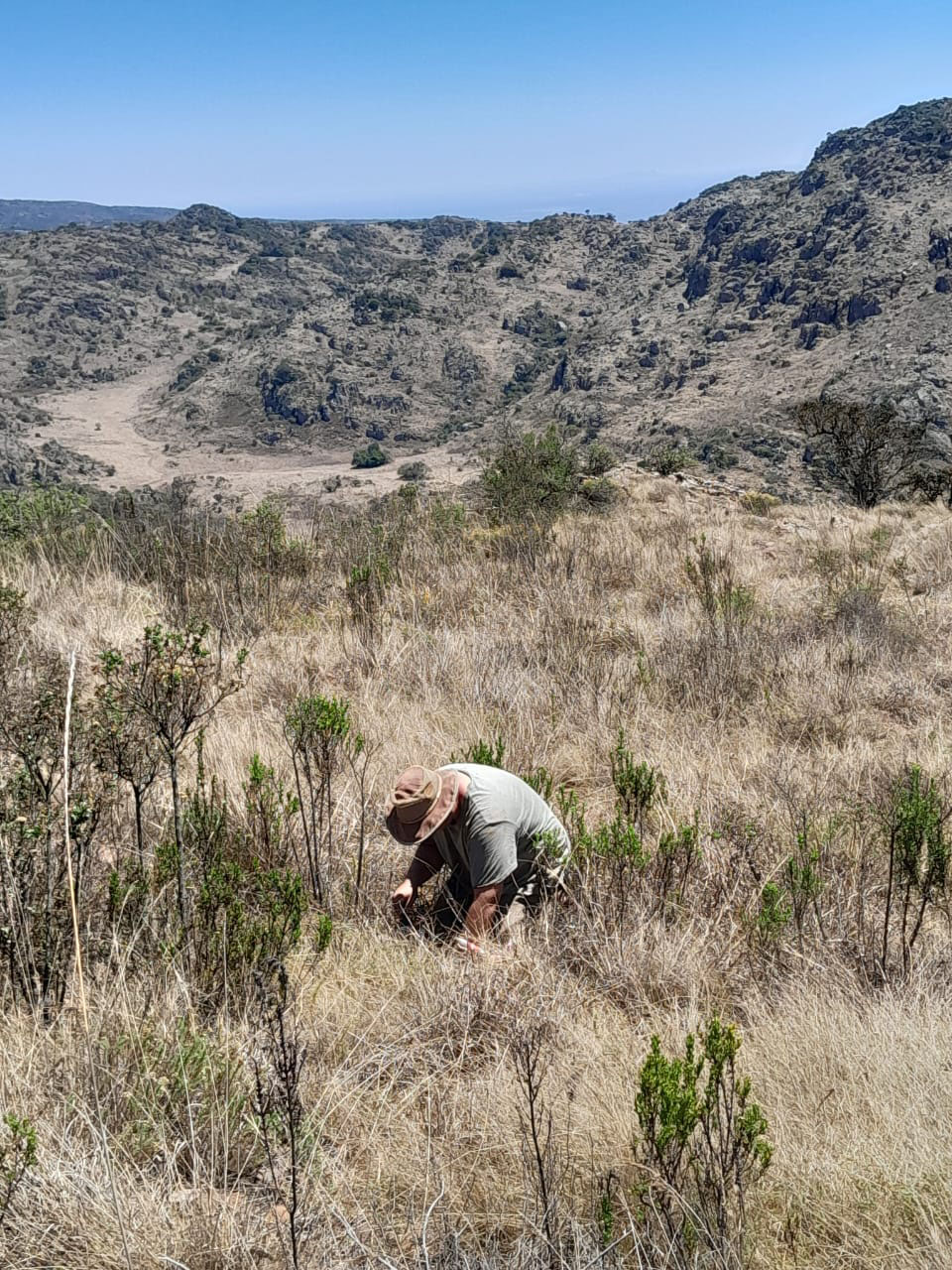
Vegetation analysis is an umbrella term to describe various activities such as plant community description, veld condition assessments, browse assessments, phylodiversity assessment and vegetation monitoring.
Our service includes among others:
- Plant community description and analysis
- Veld Condition Assessment (VCA)
- Browse Capacity Assessment
- Vegetation monitoring
Vegetation surveys are conducted using scientifically sound methods and are tailored to the specific objectives and management context of each site. Data collection is structured to ensure repeatability and comparability over time, allowing for meaningful interpretation of trends and changes in vegetation condition.
The data obtained through vegetation analysis and vegetation monitoring form the foundation for subsequent management decision-making. These data sets provide the evidence base required to evaluate current management practices and to identify risks, thresholds, and opportunities for intervention.
Vegetation analysis and monitoring cannot be omitted if scientific ecological management is required. Without reliable, structured vegetation data, management decisions lack ecological justification and cannot be effectively evaluated, limiting the ability to implement adaptive and sustainable management strategies.
Game censusing
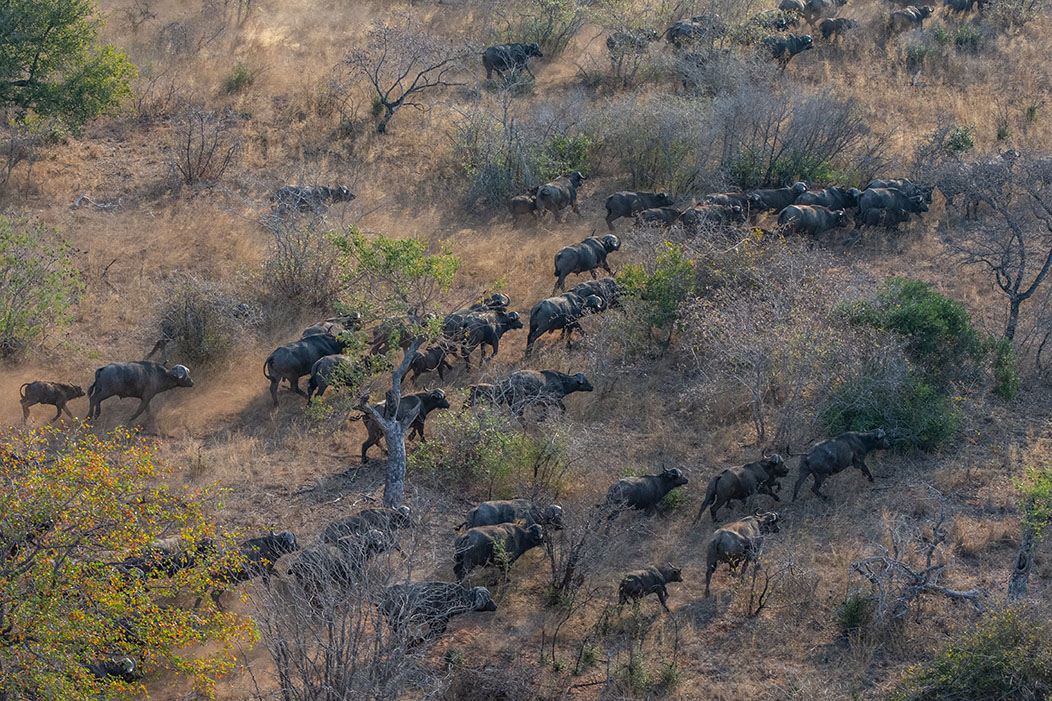
An integral component of savanna ecosystems is the diverse large herbivore populations. These animals both rely on vegetation for nutrition and shape the structure and species composition of plant communities over time. As such, large herbivores play a central role in driving ecosystem processes and influencing habitat condition.
With the development and natural progression of the southern African model of conservation and sustainable use, wildlife populations are increasingly reliant on a mosaic of fenced in private properties and protected areas. Regardless of the size of such fenced in area, it prevents natural migration and requires careful management to ensure that game numbers remain within the natural carrying capacity of the area.
To enable management to make data driven decisions on stocking rates, wildlife censusing is required. A systematic and repeatable method should be employed to estimate wildlife population size as accurate and precise as possible. Repeatable and accurate measures provide a dataset that can be used in long term trend analysis and management decision making.
Wildlife censusing forms a critical link between vegetation condition and animal population dynamics. By relating wildlife population size to vegetation structure and productivity, management can assess pressure on plant communities and adjust stocking rates accordingly to maintain ecological balance and maintain ecosystem function.
It is therefore required to tailor the methodology and monitoring program for wildlife populations based on the specific conditions of the reserve, considering vegetation structure, phenology, topography, and size of the area to be surveyed. Method selection directly influences data quality and interpretability, making site-specific design essential.
We employ a variety of methods and techniques, ranging from camera trapping and road counts to advanced aerial techniques. This flexible approach ensures that wildlife censusing programs are both practical and scientifically robust, providing reliable data to support informed ecological management decisions.
Ecological Management Plan development
Effective wildlife management depends on turning information into action. In practice, managers are often faced with one of two challenges: they either collect large amounts of ecological data but struggle to interpret and apply it meaningfully, or they manage without structured data at all, resulting in reactive and haphazard decision-making. Both approaches are detrimental to long-term sustainable ecological management.
An Ecological Management Plan (EMP) provides a structured framework to bridge this gap. It translates ecological data into clear, defensible management objectives and actions, ensuring that decisions are based on sound ecological principles rather than assumptions or short-term pressures. This creates consistency, accountability, and clarity for land managers and stakeholders.
Our approach is grounded in the principles of Adaptive Management, as widely described in South African scientific literature. Adaptive Management recognises that ecosystems are dynamic and that management actions must be flexible, evidence-based, and responsive to ongoing feedback. Management interventions are treated as informed experiments, with outcomes monitored and strategies refined over time.
An effective EMP integrates diverse data sets generated through vegetation monitoring, veld condition assessments, wildlife surveys, soil analyses, and other ecological datasets. Rather than existing in isolation, these data streams are synthesised to provide a holistic understanding of ecosystem function, trends, and risks, allowing management actions to be prioritised.
The result is a practical, living management plan that supports informed decision-making, improves ecological resilience, and ensures that monitoring efforts lead to real, measurable outcomes. By combining data, interpretation, and action into a single framework, an Ecological Management Plan becomes an integral tool for sound ecological management.

VegPro: Vegetation survey and analysis software
VegPro is a software package developed by Fanie Lombard as a field data capturing tool for vegetation surveys. It relies on popular mobile devices as operating systems and is focused on replacing traditional field data capture sheets, along with the errors commonly associated with transferring field data to a digital format.
The software consists of two parts: a mobile version for field data capture and a desktop version for data analysis. The mobile version is designed for efficient, structured data collection under field conditions, while the desktop version provides tools for organising, processing, and analysing the captured data. Currently, the desktop version is in its final stages of development and will be released soon.
The mobile data capture component of the software currently provides a system for collecting point method data. The design of the software is flexible, allowing the user to configure it for various field techniques including the descending point, step point, point-centre-quarter, and nearest plant techniques.
By standardising the way field data are captured, VegPro improves data consistency and reduces observer and transcription errors. The use of mobile devices enables real-time data validation and structured inputs, ensuring that information collected in the field is immediately usable for further analysis without the need for manual data conversion.
VegPro is designed to support vegetation surveys as part of broader ecological monitoring programs. By streamlining field data capture and linking it directly to analytical workflows, the software ensures that vegetation data can be efficiently integrated into management decisions, reporting processes, and long-term ecological assessments.